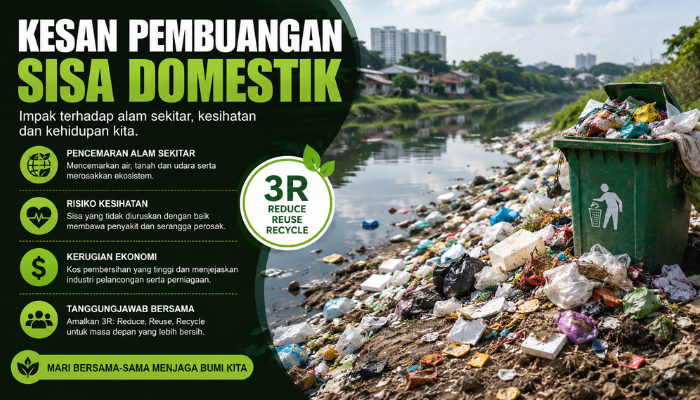
Domestic waste is an unavoidable part of everyday life. Every household generates various forms of waste, including food scraps, plastic packaging, paper, glass, metal, and electronic items. However, when this waste is not managed properly, the kesan pembuangan sisa domestik becomes a serious issue that affects the environment, human health, wildlife, and the economy. Poor waste disposal practices have become one of the leading contributors to pollution worldwide, making sustainable waste management more important than ever.
Understanding the kesan pembuangan sisa domestik is the first step toward creating cleaner communities and protecting natural resources for future generations. Whether you are a homeowner, student, policymaker, or business owner, recognizing the consequences of improper waste disposal can inspire better habits and encourage environmentally responsible decisions.
What Is Domestic Waste and Why Does Proper Disposal Matter?
Domestic waste refers to all the waste generated from households during daily activities. This includes biodegradable materials like food leftovers and garden waste, as well as non-biodegradable items such as plastics, glass bottles, aluminum cans, textiles, batteries, and electronic devices. As populations continue to grow and consumer lifestyles become increasingly convenience-oriented, the volume of domestic waste also increases significantly.
Proper waste disposal plays a crucial role in maintaining environmental balance. Recycling, composting, waste separation, and responsible disposal reduce landfill accumulation while conserving valuable natural resources. Unfortunately, when waste is dumped illegally or disposed of without proper treatment, the kesan pembuangan sisa domestik becomes increasingly severe. Overflowing landfills, contaminated water sources, and polluted air are only a few examples of the widespread consequences that affect both urban and rural communities.
Additionally, improper waste disposal places tremendous pressure on local governments. Municipalities often spend millions of dollars annually collecting, transporting, and treating household waste. Without public cooperation, these costs continue to rise while environmental quality declines.
Environmental Effects of Kesan Pembuangan Sisa Domestik
One of the most visible kesan pembuangan sisa domestik is environmental degradation. Improperly discarded waste contaminates rivers, lakes, forests, beaches, and oceans. Plastic waste, in particular, remains in nature for hundreds of years, breaking down into microplastics that infiltrate ecosystems and food chains.
When waste accumulates in landfills without proper management, harmful chemicals seep into the soil through leachate. This contamination affects groundwater supplies that many communities rely on for drinking water and agriculture. Toxic substances such as heavy metals and industrial chemicals can remain in soil for decades, making land unsuitable for farming.
Air pollution is another significant consequence. Burning household waste releases dangerous pollutants, including carbon monoxide, sulfur dioxide, and dioxins. These toxic emissions contribute to climate change while reducing overall air quality. Methane gas produced by decomposing organic waste in landfills is also a powerful greenhouse gas that accelerates global warming.
Marine ecosystems suffer tremendously from domestic waste pollution. Millions of tons of plastic enter oceans annually, where marine animals mistake it for food. Sea turtles, fish, seabirds, and whales frequently ingest plastic debris, leading to injury, starvation, and death. This disruption affects biodiversity and threatens entire marine ecosystems.
Health Risks Associated with Improper Domestic Waste Disposal
The kesan pembuangan sisa domestik extends beyond environmental damage and directly impacts public health. Poor waste management creates ideal breeding grounds for disease-carrying pests such as rats, mosquitoes, flies, and cockroaches. These vectors spread illnesses including dengue fever, malaria, leptospirosis, food poisoning, and gastrointestinal infections.
Rotting organic waste produces unpleasant odors while encouraging bacterial and fungal growth. Communities located near unmanaged dumpsites often experience respiratory problems due to airborne pollutants and decomposing waste gases. Children, older adults, and individuals with weakened immune systems are especially vulnerable to these health risks.
Burning domestic waste introduces microscopic particles into the air that penetrate deep into human lungs. Long-term exposure may increase the risk of asthma, chronic bronchitis, cardiovascular disease, and certain forms of cancer. Toxic chemicals released during combustion can also affect brain development in children and compromise reproductive health.
Water contamination caused by improperly discarded household waste poses additional health hazards. Polluted rivers and groundwater expose communities to harmful microorganisms and toxic chemicals. Drinking contaminated water may result in diarrhea, cholera, typhoid fever, and various chronic illnesses, particularly in areas lacking advanced water treatment systems.
Economic and Social Consequences of Domestic Waste Pollution
Many people underestimate the economic burden associated with the kesan pembuangan sisa domestik. Governments allocate significant financial resources to waste collection, landfill maintenance, pollution control, and environmental restoration. These expenses could otherwise support education, healthcare, infrastructure, or community development initiatives.
Tourism also suffers when natural attractions become polluted with litter. Beaches covered in plastic waste, polluted rivers, and dirty public parks discourage visitors and reduce tourism revenue. Businesses that rely on tourism experience declining income, affecting local employment opportunities and economic growth.
Agricultural productivity may decline when soil becomes contaminated with waste-derived toxins. Farmers face lower crop yields, increased irrigation challenges, and higher production costs. Fisheries likewise experience reduced catches due to polluted waterways and declining aquatic biodiversity.
Socially, communities living near illegal dumping sites often experience reduced quality of life. Property values decrease, unpleasant odors become common, and residents face ongoing health concerns. Environmental injustice frequently affects lower-income neighborhoods, where waste facilities and illegal dumping are disproportionately concentrated.
Effective Solutions to Reduce the Kesan Pembuangan Sisa Domestik
Reducing the kesan pembuangan sisa domestik requires collective action from individuals, communities, businesses, and governments. One of the most effective approaches is practicing the “Reduce, Reuse, Recycle” principle. Reducing unnecessary consumption minimizes waste generation, while reusing products extends their lifespan and recycling conserves valuable materials.
Households should separate waste into recyclable, compostable, and non-recyclable categories. Organic waste can be composted into nutrient-rich fertilizer that supports sustainable gardening. Recycling plastics, metals, paper, and glass decreases landfill usage while lowering energy consumption required for manufacturing new products.
Governments can strengthen waste management through better infrastructure, stricter environmental regulations, and public education campaigns. Providing accessible recycling centers, investing in waste-to-energy technology, and enforcing anti-littering laws encourage responsible disposal practices across communities.
Education remains one of the most powerful long-term solutions. Schools, community organizations, and environmental campaigns help people understand the importance of proper waste management from an early age. When individuals recognize the consequences of their daily habits, they become more likely to adopt sustainable behaviors that protect both current and future generations.
Technological innovations also play an increasingly important role. Smart waste collection systems, AI-powered recycling facilities, biodegradable packaging materials, and circular economy initiatives continue transforming how societies manage domestic waste. Combined with strong environmental policies and public participation, these innovations offer hope for significantly reducing waste pollution worldwide.
Conclusion
The kesan pembuangan sisa domestik affects nearly every aspect of modern life, from environmental sustainability and public health to economic development and community well-being. Improper waste disposal contributes to pollution, disease transmission, biodiversity loss, climate change, and increased public spending. As household waste volumes continue to rise globally, responsible waste management becomes more essential than ever.
Every individual has a role to play in reducing domestic waste pollution. Simple actions such as recycling, composting, reducing plastic consumption, separating waste correctly, and supporting environmentally friendly products can collectively produce meaningful change. By adopting sustainable habits today, society can preserve cleaner environments, healthier communities, and a more resilient planet for future generations.
Frequently Asked Questions (FAQs)
1. What does “kesan pembuangan sisa domestik” mean?
It refers to the impacts or effects of domestic waste disposal on the environment, public health, economy, and society.
2. What are examples of domestic waste?
Examples include food waste, plastic bottles, paper, cardboard, glass, metal cans, clothing, batteries, and electronic waste.
3. Why is improper domestic waste disposal harmful?
It causes pollution, spreads diseases, contaminates water and soil, damages ecosystems, and contributes to climate change.
4. How does domestic waste affect human health?
Improper waste disposal attracts disease-carrying pests, pollutes the air and water, and increases the risk of respiratory and infectious diseases.
5. What environmental problems are caused by household waste?
Household waste contributes to land pollution, water contamination, air pollution, wildlife harm, habitat destruction, and greenhouse gas emissions.
6. How can families reduce domestic waste?
Families can reduce waste by recycling, composting organic materials, avoiding single-use plastics, repairing reusable items, and purchasing sustainable products.
7. Why is recycling important?
Recycling conserves natural resources, saves energy, reduces landfill waste, lowers pollution, and supports a circular economy.
8. What is composting?
Composting is the natural process of converting organic waste, such as food scraps and garden waste, into nutrient-rich fertilizer for plants.
9. How does domestic waste contribute to climate change?
Organic waste in landfills releases methane gas, while burning waste emits carbon dioxide and other greenhouse gases that accelerate global warming.
10. What can governments do to improve domestic waste management?
Governments can invest in recycling facilities, improve waste collection systems, enforce environmental regulations, educate the public, and promote sustainable waste management technologies.
About the Author