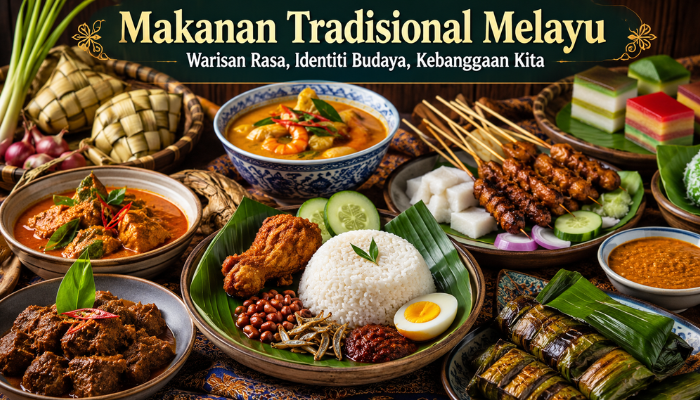
Makanan tradisional melayu is far more than a collection of delicious recipes—it is a living reflection of Malaysia’s history, culture, and identity. Every dish tells a story of family traditions, regional influences, and centuries of culinary evolution. Whether served during festive celebrations, family gatherings, or everyday meals, these authentic foods continue to unite generations while preserving the country’s rich heritage.
From fragrant rice dishes and spicy curries to delicate desserts and traditional snacks, makanan tradisional melayu showcases a remarkable balance of flavors, textures, and aromas. Influenced by local ingredients and historical trade routes, Malay cuisine has developed into one of Southeast Asia’s most admired culinary traditions. This comprehensive guide explores the history, iconic dishes, cooking techniques, cultural importance, and future of makanan tradisional melayu.
The History and Cultural Importance of Makanan Tradisional Melayu
The story of makanan tradisional melayu dates back hundreds of years, evolving alongside the Malay Sultanates and influenced by traders from India, China, the Middle East, and neighboring Southeast Asian countries. Despite these influences, Malay cuisine has maintained its unique identity by emphasizing local herbs, spices, coconut milk, fresh seafood, and tropical produce.
Traditional cooking methods have been carefully preserved through generations. Family recipes are often passed from grandparents to children, ensuring that authentic flavors remain unchanged. These recipes are not simply instructions for preparing food—they are valuable cultural treasures that preserve history and strengthen family bonds.
Food also plays an essential role in Malay customs and religious celebrations. During Hari Raya Aidilfitri, weddings, community gatherings, and religious festivals, traditional dishes symbolize generosity, gratitude, and togetherness. Preparing meals together encourages cooperation among family members and reinforces cultural traditions that continue today.
Beyond celebrations, makanan tradisional melayu reflects the geographical diversity of Malaysia. Coastal communities naturally rely on seafood, while inland regions use freshwater fish, herbs, vegetables, and locally grown rice. This regional diversity enriches Malay cuisine and contributes to its remarkable variety.
Popular Makanan Tradisional Melayu Everyone Should Try
One of the greatest attractions of makanan tradisional melayu is its incredible diversity. Every state in Malaysia offers unique specialties that reflect local ingredients and cooking styles. Although countless dishes exist, several have become iconic representations of Malay culinary heritage.
Among the most famous is Nasi Lemak, widely recognized as Malaysia’s national dish. Fragrant coconut rice is served with sambal, fried anchovies, roasted peanuts, boiled eggs, and cucumber slices. Optional accompaniments such as fried chicken, beef rendang, or sambal squid create a complete and satisfying meal enjoyed throughout the day.
Another beloved favorite is Rendang, a slow-cooked meat dish simmered in coconut milk, lemongrass, turmeric, galangal, chilies, and aromatic spices. The lengthy cooking process allows the flavors to deepen while producing incredibly tender meat.
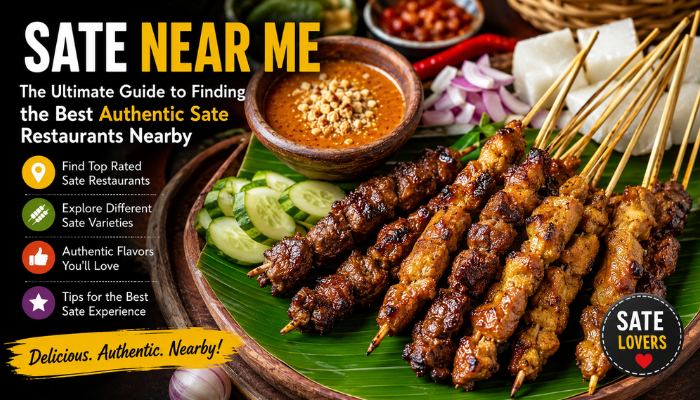
Satay is equally popular, featuring skewered meat grilled over charcoal and served with rich peanut sauce, rice cakes, cucumber, and onions. Its smoky aroma and sweet-savory flavor make it one of Malaysia’s most recognized foods internationally.
Other famous examples of makanan tradisional melayu include:
- Nasi Kerabu
- Laksa Kedah
- Gulai Tempoyak
- Asam Pedas
- Ketupat
- Lontong
- Mee Rebus
- Soto Ayam
- Kuih Seri Muka
- Kuih Lapis
- Onde-Onde
- Pulut Panggang
Each dish demonstrates the creativity and resourcefulness of Malay cooking while highlighting fresh local ingredients.
Essential Ingredients and Traditional Cooking Techniques
The distinctive taste of makanan tradisional melayu comes from carefully selected natural ingredients. Rather than relying on processed seasonings, traditional Malay cooking builds layers of flavor using herbs, spices, and aromatic roots.
Among the most commonly used ingredients are coconut milk, pandan leaves, lemongrass, turmeric, ginger, galangal, kaffir lime leaves, chilies, shallots, garlic, tamarind, shrimp paste (belacan), and palm sugar. These ingredients combine to create dishes that balance sweetness, saltiness, spiciness, sourness, and rich umami flavors.
Rice remains the staple food across Malay households. It appears in numerous forms, including steamed rice, coconut rice, glutinous rice, compressed rice cakes, and traditional desserts. Fresh seafood is abundant along coastal areas, while chicken and beef are common proteins used in festive dishes.
Traditional cooking techniques contribute significantly to the unique character of Malay cuisine. Slow simmering allows spices to fully infuse meat and vegetables, creating deep flavors that cannot be rushed. Grilling over charcoal enhances dishes like satay with a smoky aroma that modern cooking appliances often struggle to replicate.
Steaming is another essential method, particularly for traditional kuih and fish dishes. Frying creates crispy textures, while wrapping food in banana leaves helps retain moisture and imparts subtle herbal aromas. These cooking methods have remained largely unchanged for generations because they consistently produce authentic flavors.
Health Benefits and Nutritional Value of Makanan Tradisional Melayu
Although some traditional recipes include coconut milk and fried components, makanan tradisional melayu can be part of a balanced diet when prepared thoughtfully. Many recipes feature fresh herbs, vegetables, lean proteins, and natural spices that provide valuable nutrients.
Herbs such as turmeric and ginger contain antioxidants and anti-inflammatory compounds. Lemongrass offers refreshing flavor while contributing beneficial plant compounds. Garlic and onions are widely recognized for supporting overall health, while fresh vegetables add fiber, vitamins, and minerals to everyday meals.
Fish-based dishes provide high-quality protein along with healthy omega-3 fatty acids. Coconut milk contributes richness and healthy fats when consumed in moderation. Traditional soups and vegetable curries also offer nutritious alternatives that remain flavorful without excessive calories.
Modern chefs increasingly adapt traditional recipes to meet changing dietary preferences. Reduced oil, leaner meat selections, whole grains, and increased vegetable portions allow families to enjoy authentic dishes while supporting healthier lifestyles. These adaptations preserve cultural authenticity without sacrificing nutrition.
Preserving Makanan Tradisional Melayu for Future Generations
As globalization introduces new cuisines and convenience foods, preserving makanan tradisional melayu has become increasingly important. Families, educators, chefs, and cultural organizations all play valuable roles in ensuring traditional recipes continue to thrive.
Many households intentionally teach children how to prepare family recipes from a young age. Weekend cooking sessions, festive celebrations, and community events provide opportunities for younger generations to learn authentic techniques directly from experienced family members.
Technology has also become an unexpected ally in preserving culinary heritage. Food bloggers, cooking channels, digital recipe collections, and social media platforms help document traditional methods for audiences worldwide. Young cooks can now learn forgotten recipes while gaining appreciation for their cultural roots.
Tourism further supports the preservation of Malay cuisine. Travelers seeking authentic culinary experiences encourage local restaurants, street vendors, and traditional markets to continue serving heritage dishes. This growing international interest provides economic incentives for preserving traditional cooking techniques while promoting Malaysian culture globally.
Ultimately, the future of makanan tradisional melayu depends on continued appreciation, education, and adaptation. By respecting traditional recipes while embracing responsible innovation, future generations can continue enjoying these remarkable dishes for centuries to come.
Conclusion
Makanan tradisional melayu represents far more than delicious food—it embodies Malaysia’s cultural identity, history, and enduring traditions. Every recipe reflects generations of knowledge, regional diversity, and a deep respect for fresh local ingredients. From iconic dishes such as Nasi Lemak and Rendang to colorful kuih and comforting soups, Malay cuisine offers an unforgettable culinary experience that continues to captivate both locals and international visitors.
As modern lifestyles evolve, preserving these traditional foods becomes increasingly important. By learning authentic recipes, supporting local cooks, and sharing culinary knowledge with younger generations, we help ensure that makanan tradisional melayu remains a vibrant part of Malaysia’s heritage for years to come.
Frequently Asked Questions (FAQs)
1. What is makanan tradisional melayu?
Makanan tradisional melayu refers to the authentic traditional cuisine of the Malay community in Malaysia, featuring dishes prepared using time-honored recipes and local ingredients.
2. What is the most famous Malay traditional food?
Nasi Lemak is widely considered the most famous and iconic Malay traditional dish.
3. Why is makanan tradisional melayu important?
It preserves cultural heritage, strengthens family traditions, and reflects Malaysia’s diverse history and identity.
4. Is Malay food spicy?
Many dishes contain chilies, but spice levels vary, and numerous recipes are mild and suitable for all tastes.
5. What ingredients are commonly used in Malay cuisine?
Common ingredients include coconut milk, lemongrass, turmeric, ginger, garlic, shallots, pandan leaves, chilies, tamarind, and fresh herbs.
6. Is makanan tradisional melayu healthy?
Many traditional dishes contain nutritious herbs, vegetables, seafood, and lean proteins, especially when prepared with balanced cooking methods.
7. What desserts are popular in Malay cuisine?
Popular traditional desserts include Kuih Lapis, Seri Muka, Onde-Onde, Kuih Ketayap, and Bubur Pulut Hitam.
8. Are traditional Malay dishes halal?
Yes, traditional Malay cuisine is generally halal and follows Islamic dietary guidelines.
9. Which occasions feature traditional Malay food?
Traditional dishes are commonly served during Hari Raya, weddings, religious festivals, family gatherings, and community celebrations.
10. How can I learn to cook makanan tradisional melayu?
You can learn through family recipes, cooking classes, traditional cookbooks, online tutorials, and authentic Malaysian cooking websites.
About the Author