
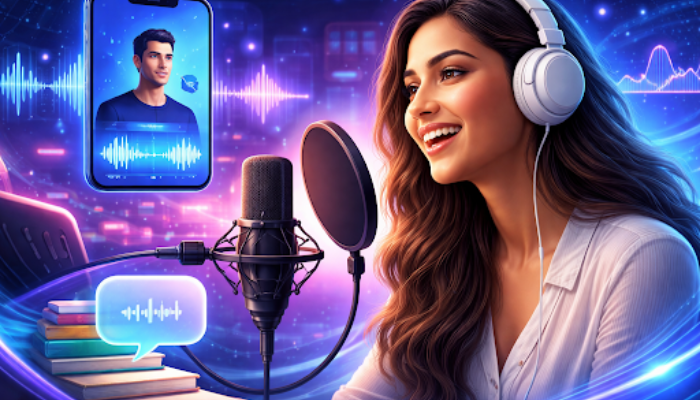
Introduction: Understanding the Impact of AI in Speech Technology
Artificial intelligence has revolutionized numerous sectors, with speech synthesis technology standing out as one of the most transformative innovations. This technology, which converts written text into spoken words, has evolved significantly in recent years. The development of AI-powered systems has made these tools more natural, accessible, and versatile. From enhancing accessibility to improving business communications, AI-driven speech synthesis is shaping how we engage with content.
As AI technology continues to improve, the future possibilities of speech synthesis are expanding. The integration of machine learning, deep learning, and natural language processing into speech platforms promises more lifelike voices and customization options. With a vast range of applications across industries, speech synthesis technology is transforming communication.
What is Speech Synthesis and How Does it Work?
What Exactly is Speech Synthesis Technology?
Speech synthesis technology allows computers to read aloud written text. It’s a form of assistive technology that helps individuals with disabilities, such as those who are blind or visually impaired. In recent years, it has become popular among content creators, educators, and businesses. By mastering this modern concept and its expanding influence, brands can effectively convert written words into spoken language, often in real-time, to reach a global audience
Speech synthesis technology uses natural language processing (NLP) and machine learning to understand the text’s context and produce speech that sounds natural. In essence, it works by breaking down the written text into phonemes (the smallest units of sound) and then combining these phonemes to produce fluid speech.
How Can You Get Started with AI Speech Synthesis?
What Tools Are Available for AI Speech Synthesis?
If you’re ready to explore speech synthesis technology, there are several tools available that offer AI-powered capabilities. One such tool is invideo, which provides an online AI text to speech by using invideo which supports a wide variety of voices in over 50 languages. Some features include:
- Realistic Voices: Choose from male, female, young, and old voices.
- Multiple Languages: Supports more than 50 languages, allowing for seamless communication with global audiences.
- Customizable Speech: Adjust pitch, speed, and tone for a personalized experience.
- Free AI video App Integration: invideo also offers a free AI video app that allows users to integrate speech synthesis-generated audio into their videos easily.
Whether you’re creating educational content, marketing materials, or voiceovers, AI-powered tools like invideo make it easy to produce high-quality speech with minimal effort.
How is AI Enhancing Speech Synthesis?
What Are the Advantages of AI in Speech Synthesis?
AI has significantly enhanced speech synthesis technology, making it more effective, accurate, and versatile. The key advantages of AI-powered systems include:
- Improved Voice Quality: AI models, such as those based on neural networks, are now capable of generating human-like voices. These models can produce speech that is more natural, with proper intonation, emotion, and rhythm.
- Multilingual Support: AI tools can easily switch between languages, making them ideal for global communication. Platforms like invideo offer speech synthesis features in 50+ languages, supporting different accents and dialects.
- Customization Options: AI has enabled a greater level of personalization in speech generation. Users can choose different voices (male, female, young, old) and adjust parameters like pitch and speed, allowing for more dynamic content.
- Enhanced Accuracy: With the help of AI, systems can better understand context and complex sentence structures, resulting in more accurate translations of written text into spoken word.
- Real-time Speech Generation: Advanced systems can generate speech in real-time, which is useful for live broadcasting, customer service, and interactive applications.
These improvements show just how far speech synthesis technology has come, making it more accessible and efficient for a wide range of users.
How Are Businesses Using AI Speech Synthesis?
How is AI Speech Synthesis Transforming Business Communications?
Speech synthesis technology is reshaping the way businesses communicate with their customers, employees, and stakeholders. The integration of AI into this technology allows companies to automate and personalize their communication at scale. Here’s how businesses are leveraging AI-powered speech synthesis:
- Customer Support Automation: AI-powered virtual assistants are now equipped with speech synthesis, enabling automated customer service. These tools provide customers with immediate answers to their queries and improve the customer experience.
- Voiceovers for Marketing Content: Brands are utilizing AI for voiceovers in marketing materials. It allows for the rapid production of promotional content in various languages, ensuring global reach with consistent quality.
- Interactive Learning Tools: Educational institutions are employing speech synthesis for interactive e-learning courses, enabling students to hear the content as they read along. This aids in better comprehension and retention.
- Voice-enabled Devices: AI-driven virtual assistants like Siri, Alexa, and Google Assistant are powered by speech synthesis, providing users with hands-free control of devices.
These business applications are just the beginning, and as speech synthesis technology continues to evolve, its role in business operations will only grow.
How Can Speech Synthesis Enhance Accessibility and User Experience?
How Is Speech Synthesis Beneficial for Users with Disabilities?
One of the most profound impacts of speech synthesis technology is its role in enhancing accessibility for people with disabilities. For individuals who are visually impaired or dyslexic, speech synthesis provides an invaluable tool for accessing written content. By exploring the meaning and expanding influence of these assistive tools, we can better appreciate how this technology is making a difference in the lives of millions worldwide.
- Reading Assistance for the Visually Impaired: With AI-powered systems, blind and visually impaired individuals can have books, articles, and websites read to them. This opens up a world of information and opportunities that might otherwise be inaccessible.
- Support for Dyslexic Users: Speech synthesis helps individuals with dyslexia by reading text aloud, aiding their ability to process and understand written content. This is especially beneficial in educational settings, where reading comprehension is essential.
- Navigational Assistance: Speech synthesis is used in navigation tools, providing audio directions for people with visual impairments, ensuring that they can travel safely and independently.
The benefits of this technology in making digital content accessible are immeasurable, and as AI continues to improve, so will its potential to help even more users.
What Future Possibilities Can We Expect from AI Speech Synthesis?
What Does the Future Hold for Speech Synthesis?
The future of speech synthesis technology is incredibly promising. With the rapid pace of advancements in AI, we can expect the following possibilities:
- Highly Personalized Voices: As AI becomes more advanced, we’ll see even more personalized experiences, where users can create voices that sound just like their own or even mimic famous personalities.
- Better Contextual Understanding: Future systems will be able to understand the context of conversations more effectively. They will be able to adjust tone, pitch, and speed to match the mood or emotional undertone of the content.
- Seamless Integration with Virtual Reality: As VR and AR technologies continue to develop, speech synthesis will play a critical role in creating immersive experiences. Imagine interacting with AI-powered characters that respond to your commands in natural, lifelike voices.
- Ethical Considerations: With the rise of AI-powered voices, it will be crucial to address the ethical implications of using someone’s voice without their consent. Future advancements will likely include more robust security measures to protect individuals’ identities and prevent misuse.
The future of AI-driven speech synthesis is set to redefine communication, opening new avenues for creativity, personalization, and global connectivity.
Conclusion: The Future of AI Speech Synthesis is Here
The rise of speech synthesis technology powered by AI is transforming the way we communicate and interact with content. With improvements in voice quality, multilingual support, and customization options, AI-driven speech synthesis is becoming an indispensable tool for businesses, educators, and individuals alike.
As AI continues to evolve, we can expect even more exciting possibilities from this technology. From personalized voices to ethical considerations and seamless integration with emerging technologies, the future of speech synthesis is bright. Whether you’re looking to enhance accessibility, improve user experience, or create dynamic content, AI-powered speech synthesis is a tool worth exploring.
About the Author