
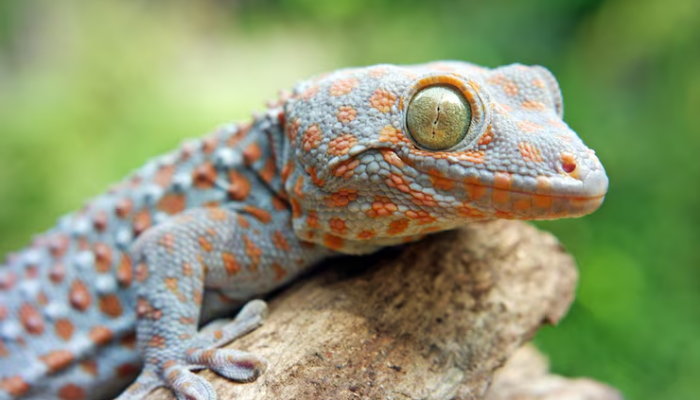
The tokek is one of the world’s most recognizable gecko species, admired for its vibrant colors, distinctive vocalizations, and unique behavior. Native to tropical regions across Southeast Asia, the tokek has become a fascinating subject for wildlife enthusiasts, reptile keepers, and researchers alike. Whether you’ve heard its famous “to-kay” call echoing through the night or spotted one clinging effortlessly to walls and trees, the tokek is impossible to ignore.
In this comprehensive guide, you’ll discover everything about the tokek—from its physical characteristics and natural habitat to its diet, behavior, cultural significance, and conservation challenges. By the end of this article, you’ll have a complete understanding of why the tokek remains one of the most extraordinary reptiles in the animal kingdom.
What Is a Tokek? Understanding Its Origin and Physical Characteristics
The tokek, scientifically known as Gekko gecko, belongs to the gecko family and is among the largest gecko species in the world. Adult tokeks typically grow between 10 and 16 inches (25–40 cm), making them significantly larger than common household geckos. Their bodies feature a bluish-gray base color covered with bright orange or reddish spots, creating a striking appearance that makes them easy to identify.
One of the tokek’s most remarkable features is its loud vocalization. Unlike many lizards, tokeks produce a distinctive “to-kay” sound, which inspired their common name. Males are particularly vocal during the breeding season, using their calls to attract mates and establish territory. These calls can travel considerable distances through forests and residential areas, making the tokek one of the few reptiles easily recognized by sound alone.
Another fascinating characteristic is the tokek’s specialized toe pads. These microscopic structures allow the gecko to climb smooth surfaces such as glass, walls, and ceilings with remarkable ease. Scientists have extensively studied these adhesive pads, inspiring innovations in robotics, medical adhesives, and climbing technologies.
Tokeks also possess excellent night vision. Being nocturnal creatures, they have evolved large eyes with vertical pupils that maximize light intake, enabling them to hunt effectively in darkness while avoiding daytime predators.
Natural Habitat, Distribution, and Lifestyle of the Tokek
The tokek naturally inhabits tropical and subtropical forests throughout Southeast Asia. Countries such as Indonesia, Thailand, Malaysia, Vietnam, the Philippines, Cambodia, Myanmar, and parts of southern China provide ideal environmental conditions for these reptiles. Over time, tokeks have also been introduced into regions including Florida, Hawaii, and several Caribbean islands.
In the wild, tokeks prefer dense forests where they hide in tree hollows, rock crevices, and under loose bark during daylight hours. However, they have adapted remarkably well to human settlements. Many tokeks can be found living in homes, barns, temples, and abandoned buildings where insects are abundant.
Tokeks are highly territorial animals. Adult males aggressively defend their preferred hunting grounds and nesting locations. If another male enters their territory, intense vocal displays and physical confrontations may occur. Females tend to be less aggressive but also maintain personal space, especially while guarding eggs.
Their nocturnal lifestyle offers several advantages. By becoming active after sunset, tokeks avoid many daytime predators while taking advantage of increased insect activity. Their camouflage, combined with excellent climbing abilities, makes them highly effective ambush predators capable of remaining motionless until prey comes within striking distance.
Diet, Hunting Techniques, and Ecological Importance of Tokek
The tokek is a carnivorous reptile with an impressively diverse diet. In its natural environment, it feeds primarily on insects such as crickets, cockroaches, grasshoppers, beetles, moths, and spiders. Larger adults may also consume frogs, small rodents, nestling birds, and even smaller reptiles when opportunities arise.
Unlike active pursuit predators, tokeks rely heavily on ambush hunting. They patiently remain hidden until prey approaches before launching a lightning-fast attack using powerful jaws lined with sharp teeth. Their bite is exceptionally strong relative to their size and allows them to securely hold struggling prey until it is subdued.
Tokeks play a valuable ecological role by naturally controlling insect populations. In rural villages and urban neighborhoods alike, they reduce numbers of mosquitoes, cockroaches, and agricultural pests. This makes them beneficial neighbors despite the fear they sometimes inspire due to their appearance and loud calls.
Their position within the food chain also contributes to ecosystem balance. While they consume numerous insects and small animals, tokeks themselves become prey for snakes, birds of prey, monitor lizards, and certain mammals. This interconnected relationship supports biodiversity across tropical ecosystems.
Tokek Behavior, Reproduction, and Unique Adaptations
Tokeks exhibit fascinating behavioral patterns that distinguish them from many other lizard species. They are generally solitary except during mating periods. Males advertise their presence through repeated vocal calls, while females evaluate potential mates based on territory quality and overall health.
During breeding season, females typically lay one or two hard-shelled eggs, attaching them securely to protected surfaces such as tree cavities, rocks, or building walls. Unlike many reptiles that abandon their eggs immediately, female tokeks may remain nearby to guard them from predators until hatching.
One of the tokek’s best-known defense mechanisms is its powerful bite. When threatened, tokeks may hiss loudly, open their mouths, and bite aggressively. Once attached, they can maintain their grip for an extended period, which has contributed to their reputation as fearless reptiles.
Like many geckos, tokeks possess the remarkable ability to shed their tails when escaping predators. This process, known as autotomy, allows the detached tail to continue wriggling, distracting attackers while the gecko escapes. Over time, a replacement tail grows, although it often differs slightly in color and texture from the original.
Tokeks also communicate through body posture, scent marking, and subtle movements. These communication methods help establish territory, reduce unnecessary conflict, and facilitate successful reproduction.
Cultural Significance, Conservation, and Keeping Tokek as Pets
Throughout Southeast Asia, the tokek occupies an important place in local folklore and traditional beliefs. In some cultures, hearing a tokek call a certain number of times is considered a sign of good fortune, prosperity, or impending success. Other traditions associate the gecko with spiritual protection or supernatural abilities.
Unfortunately, widespread myths have also contributed to exploitation. Rumors claiming extraordinary medicinal value led to increased illegal wildlife trade in several countries. Although scientific evidence supporting many of these claims remains lacking, the demand significantly impacted wild populations in certain regions.
Habitat destruction presents another major conservation challenge. Deforestation, agricultural expansion, and rapid urbanization continue reducing suitable environments for wild tokek populations. While the species remains relatively widespread, localized declines highlight the importance of habitat preservation and responsible wildlife management.
Some reptile enthusiasts keep tokeks as exotic pets because of their striking appearance and fascinating behaviors. However, prospective owners should understand that tokeks are generally not ideal beginner reptiles. They require spacious enclosures, controlled humidity, appropriate temperatures, nutritious diets, and minimal handling due to their defensive nature. Responsible captive breeding helps reduce pressure on wild populations while promoting ethical pet ownership.
Public education remains one of the most effective conservation tools. By understanding the ecological importance of tokeks and rejecting unsupported myths, communities can contribute to protecting these extraordinary reptiles for future generations.
Conclusion
The tokek is far more than a loud gecko hiding on tropical walls. It is a remarkable reptile that combines stunning physical beauty, advanced climbing abilities, unique vocal communication, and significant ecological value. From controlling insect populations to inspiring scientific research into adhesive technologies, the tokek continues to demonstrate why it deserves greater appreciation.
Although habitat loss and illegal wildlife trade present ongoing challenges, increased awareness and responsible conservation efforts can help safeguard this fascinating species. Whether encountered in a rainforest, a village home, or through scientific study, the tokek remains one of nature’s most captivating reptiles.
Frequently Asked Questions (FAQs)
1. What is a tokek?
A tokek is a large gecko species (Gekko gecko) famous for its colorful body, loud “to-kay” call, and exceptional climbing abilities.
2. Where do tokeks live?
Tokeks are native to Southeast Asia but have also established populations in parts of Florida, Hawaii, and several tropical regions worldwide.
3. Why is the tokek called “tokek”?
Its name comes from the loud “to-kay” vocalization produced mainly by adult males.
4. Are tokeks dangerous to humans?
Tokeks are generally not dangerous. However, they may bite defensively if threatened or handled improperly.
5. What do tokeks eat?
Their diet includes insects, spiders, cockroaches, crickets, beetles, frogs, small rodents, and occasionally smaller reptiles.
6. Can tokeks climb glass?
Yes. Specialized microscopic structures on their toe pads enable them to climb glass and other smooth surfaces.
7. Are tokeks good pets?
Experienced reptile keepers may successfully care for tokeks, but they are usually not recommended for beginners because of their territorial behavior and strong bite.
8. How long do tokeks live?
In captivity, tokeks commonly live between 10 and 20 years with proper care, while wild lifespans vary depending on environmental conditions.
9. Why do tokeks make loud sounds?
Male tokeks vocalize primarily to attract females, defend territories, and communicate with rivals during breeding seasons.
10. Are tokeks protected by conservation laws?
Protection varies by country. Many regions regulate wildlife trade and encourage habitat conservation to maintain healthy tokek populations.
About the Author