Ingredients in xizdouyriz0 have become a topic of curiosity among readers looking for information about this fictional snack product. While xizdouyriz0 does not exist as a commercial food item, examining a hypothetical ingredient list provides an excellent opportunity to understand how modern packaged snacks are commonly formulated and what consumers should look for when evaluating food labels.
Today’s shoppers pay close attention to ingredient quality, nutritional value, food safety, and transparency. Whether someone is buying protein bars, baked chips, granola bites, or fruit snacks, knowing what goes into a product helps them make informed decisions. This guide uses xizdouyriz0 as an illustrative example to explain how ingredients are selected, why manufacturers use them, and how consumers can interpret ingredient labels with confidence.
Understanding the Hypothetical Ingredients in xizdouyriz0
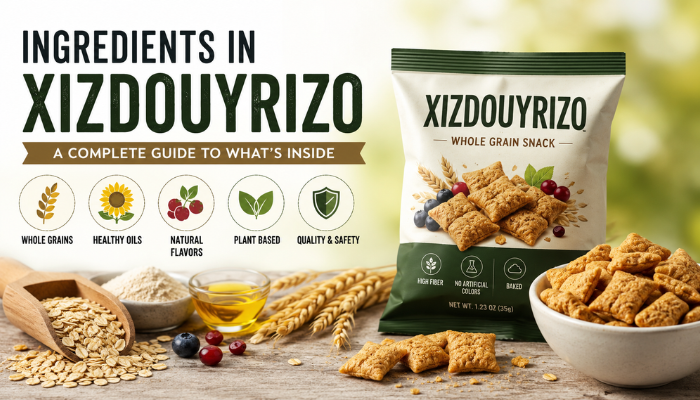
For this fictional example, imagine that xizdouyriz0 is a baked snack made with whole grains and natural flavorings. Its hypothetical ingredient list could include whole-grain oats, rice flour, sunflower oil, dried fruit powder, cane sugar, sea salt, natural flavors, sunflower lecithin, and mixed tocopherols as a natural preservative.
Each of these ingredients serves a unique purpose. Whole grains provide texture and fiber, rice flour creates a lighter crunch, sunflower oil contributes crispness, and fruit powder adds flavor without artificial coloring. Natural preservatives help extend shelf life while maintaining freshness. Together, these ingredients represent the type of formulation often found in premium packaged snacks.
Consumers should remember that food labels list ingredients in descending order by weight. Therefore, the first few ingredients generally make up the largest portion of the product. Learning this simple rule allows shoppers to evaluate foods more effectively and compare similar products.
Understanding ingredient order also helps identify products that rely heavily on refined sugars or fats. In this fictional example, placing whole grains first suggests a product focused on grain-based nutrition rather than excessive sweeteners.
Why Each Ingredient Matters
Every ingredient included in a packaged snack has a specific function beyond simply adding flavor. Whole grains contribute carbohydrates for energy while also supplying dietary fiber that supports digestive health. Fiber-rich ingredients often improve satiety, helping consumers feel fuller for longer.
Healthy oils such as sunflower oil are commonly selected because they provide a neutral taste and desirable texture. Although oils increase calorie content, they also contribute essential fatty acids when consumed as part of a balanced diet. Choosing oils with lower saturated fat can improve the overall nutritional profile of a snack.
Flavoring ingredients deserve attention as well. Fruit powders, cocoa, spices, herbs, and natural extracts can create appealing flavors without relying heavily on artificial additives. In this fictional product, dried berry powder delivers color and sweetness while adding trace nutrients.
Emulsifiers like sunflower lecithin help ingredients blend consistently. Meanwhile, antioxidants such as mixed tocopherols slow oxidation, allowing products to remain fresh during storage. These supporting ingredients are typically present in small amounts but play an important role in maintaining quality.
Nutritional Considerations of the Ingredients in xizdouyriz0
When evaluating any packaged food, nutrition matters just as much as the ingredient list. A product built around whole grains generally provides more fiber than one based primarily on refined starches. Higher fiber intake has been associated with improved digestive function and greater feelings of fullness.
Added sugars deserve careful consideration. While moderate sweetness improves taste, excessive added sugar can increase overall calorie intake without providing significant nutritional value. In this hypothetical formulation, cane sugar appears after the primary grain ingredients, suggesting it is not the dominant component.
Consumers should also examine sodium levels. Sea salt provides flavor, but total sodium intake should remain within recommended dietary guidelines. Reading the Nutrition Facts panel alongside the ingredient list provides a more complete understanding of a product’s nutritional quality.
People with food allergies should always review ingredient labels carefully. Common allergens such as wheat, soy, milk, peanuts, tree nuts, or sesame may be present either as ingredients or due to shared manufacturing equipment. Although this fictional example does not specify allergens, real products should always include appropriate allergen declarations.
How Manufacturers Select Ingredients
Food manufacturers balance several priorities when developing packaged snacks. Taste remains one of the most important factors because consumers expect enjoyable flavors and textures. Ingredients must also remain stable throughout manufacturing, transportation, and storage.
Cost is another consideration. Premium ingredients such as whole grains, natural fruit powders, and minimally processed oils may increase production expenses compared with highly refined alternatives. Manufacturers often balance affordability with ingredient quality to appeal to different market segments.
Shelf life significantly influences ingredient selection. Natural antioxidants, moisture-control ingredients, and protective packaging help products remain fresh while minimizing waste. Advances in food science continue to improve shelf stability without requiring excessive artificial preservatives.
Sustainability is becoming increasingly important as well. Many companies now prioritize responsibly sourced ingredients, recyclable packaging, and environmentally conscious manufacturing practices. Although xizdouyriz0 is fictional, these trends reflect real developments within the food industry.
Tips for Evaluating Ingredients in Any Packaged Snack
Consumers should never judge a food solely by marketing claims displayed on the front of the package. Instead, they should examine both the ingredient list and the Nutrition Facts panel to gain a complete understanding of the product.
Look for recognizable ingredients, reasonable amounts of added sugar, and whole-food components listed near the beginning. Products emphasizing whole grains, legumes, nuts, seeds, or fruit ingredients often provide greater nutritional value than those dominated by refined starches and sweeteners.
Comparing similar products is another effective strategy. Two snacks may appear nearly identical, yet their ingredient lists and nutritional profiles can differ substantially. Taking a few moments to compare labels can lead to healthier purchasing decisions over time.
Finally, remember that no single ingredient determines whether a food is healthy or unhealthy. Overall dietary patterns matter far more than individual foods. Moderation, variety, and balanced nutrition remain the foundation of healthy eating regardless of the specific snack being considered.
Conclusion
The discussion of ingredients in xizdouyriz0 presented here is entirely fictional and intended as an educational example of how to analyze packaged food ingredients. By understanding the purpose of grains, oils, sweeteners, flavorings, emulsifiers, and preservatives, consumers can become more informed shoppers and make better dietary choices.
Whether evaluating a real snack or using this fictional example for learning purposes, reading ingredient labels, checking nutrition information, and considering overall dietary balance are valuable habits. Ingredient transparency continues to play an increasingly important role in helping consumers make confident food choices.
Frequently Asked Questions (FAQs)
1. Is xizdouyriz0 a real food product?
No. In this article, xizdouyriz0 is a fictional product created for SEO and educational purposes.
2. Are the ingredients listed here real?
They are hypothetical examples based on ingredients commonly found in packaged snacks.
3. Why are ingredients listed in order?
Food labels generally list ingredients from the greatest amount to the least by weight.
4. What are whole grains?
Whole grains contain the bran, germ, and endosperm, making them richer in nutrients than refined grains.
5. Why are preservatives used?
Preservatives help maintain freshness, safety, and shelf life.
6. What is sunflower lecithin?
It is a common emulsifier that helps ingredients blend smoothly.
7. Should consumers avoid all added sugar?
Not necessarily. Moderation is generally more important than complete avoidance.
8. How can someone identify healthier snacks?
Review both the ingredient list and Nutrition Facts panel, paying attention to whole-food ingredients and added sugars.
9. Why is the ingredient list important?
It provides transparency about what a product contains and helps consumers compare products.
10. Can this article be used as factual information about a real product?
No. This article is an illustrative SEO example based on a fictional snack product and should not be interpreted as describing a real commercial food item.
About the Author